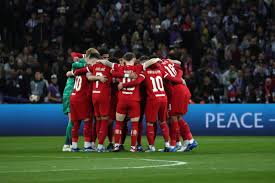
Tottenham Hotspur enter the 2026/27 campaign in the midst of a full-scale rebuild under Roberto De Zerbi, but the early returns have been alarming. After surviving relegation on the final day of last season, Spurs invested over £300 million on ten new signings—breaking their transfer record twice in a week for Sandro Tonali and Mateus Fernandes. Yet five matches into the new campaign, Tottenham sit winless and rooted in the relegation zone, with De Zerbi already under intense scrutiny. This is the definitive guide to the current Tottenham Hotspur squad.

Technical Leadership & Coaching Profile
Manager: Roberto De Zerbi
Tactical Philosophy: De Zerbi arrived in March 2026 with a mandate to save Spurs from relegation, and he delivered—just. Now, with a full pre-season and a squad rebuilt in his image, the Italian is attempting to implement the intricate, risky build-up play that earned him admirers at Brighton and Shakhtar Donetsk. De Zerbi demands courage from his players, particularly in possession, with goalkeeper Antonin Kinsky expected to invite pressure and play through it. The system relies on positional rotations, inverted full-backs, and a double-pivot that can dictate tempo. De Zerbi has been publicly supportive of the project, noting after the summer spending that the club “want to build a very strong team for this season, but to make the base for the future to become great again.”
Preferred Formations: 4-2-3-1, with the capacity to shift to a 4-3-3. De Zerbi has deployed Kinsky in goal behind a back four of Pedro Porro, Jan Paul van Hecke, Micky van de Ven, and Andy Robertson, with Tonali and Fernandes anchoring the midfield.
Strategic Transfer Activity
Tottenham’s summer was the most expensive in the club’s history, with over £300 million committed to ten new signings. The strategy was clear: remould the defence and midfield with proven quality, while adding attacking firepower to support Dominic Solanke. The club broke their transfer record twice in a week, first for Mateus Fernandes (£85m) and then for Sandro Tonali (£100m). The deadline-day additions of Mykhailo Mudryk and Tosin Adarabioyo from Chelsea completed the overhaul.
Table A: Summer Major Transfer Influx
| Player | Position | Former Club | Fee Paid |
|---|---|---|---|
| Sandro Tonali | Central Midfielder | Newcastle United | £100m |
| Mateus Fernandes | Central Midfielder | West Ham United | £85m |
| Savinho | Winger | Manchester City | £85m |
| Omar Marmoush | Forward | Manchester City | Undisclosed |
| Jan Paul van Hecke | Centre-Back | Brighton | £52m |
| Tosin Adarabioyo | Centre-Back | Chelsea | £12m |
| Mohammed Kudus | Winger | West Ham United | Undisclosed |
| Mykhailo Mudryk | Winger | Chelsea | Loan (option £75m) |
| Andy Robertson | Left-Back | Liverpool | Free |
| Marcos Senesi | Centre-Back | Bournemouth | Free |
Sandro Tonali’s arrival from Newcastle shattered Tottenham’s transfer record and signalled their intent to dominate midfield. The Italian international brings Champions League experience, elite set-piece delivery, and the kind of press-resistant passing De Zerbi demands. Mateus Fernandes, signed from West Ham for £85m, adds energy and ball-carrying alongside Tonali. Savinho’s long-awaited move from Manchester City finally materialised after Spurs failed to land him the previous summer, the Brazilian winger arriving for an £85m package. Omar Marmoush followed from City, adding versatility across the front line. The defensive rebuild saw Jan Paul van Hecke arrive from Brighton to replace the departed Cristian Romero, while Tosin Adarabioyo’s deadline-day move from Chelsea provided further depth. Andy Robertson joined as a free agent from Liverpool, bringing invaluable title-winning experience to a young dressing room.
The First-Team Roster
Goalkeepers
Antonin Kinsky (#1): The Czech goalkeeper was promoted to first choice following Guglielmo Vicario’s loan move to Juventus, and his distribution under pressure is central to De Zerbi’s build-up. Kinsky earned a new contract after an impressive finish to last season, but the early weeks have exposed the risks inherent in De Zerbi’s system.
Martin Dubravka (#40): The veteran Slovak joined on a free transfer from Burnley, providing experienced cover. His reliability contrasts with Kinsky’s high-risk approach, offering De Zerbi a different profile if required.
Brandon Austin (#31): The homegrown third-choice goalkeeper has been on the periphery for years and is unlikely to feature prominently.
Defenders
Pedro Porro (#23): The Spanish right-back is one of Tottenham’s most creative outlets, his crossing and set-piece delivery a key weapon. Porro was named third-choice captain behind Micky van de Ven and James Maddison, a testament to his growing influence.
Jan Paul van Hecke (#6): Signed from Brighton for £52m to replace Cristian Romero, the Dutch centre-back has been handed the captaincy in van de Ven’s absence. Van Hecke scored a stoppage-time header in the defeat to Aston Villa, demonstrating his aerial threat.
Micky van de Ven (#37): The club captain and defensive cornerstone. Van de Ven signed a new long-term contract this summer, cementing his status as one of the Premier League’s premier centre-backs. His recovery pace and progressive carrying are essential to De Zerbi’s high line.
Andy Robertson (#26): The former Liverpool left-back joined on a free transfer after a trophy-laden nine years at Anfield. Robertson’s experience and leadership are invaluable for a squad lacking in Premier League know-how.
Tosin Adarabioyo (#4): The deadline-day arrival from Chelsea provides physical presence and aerial dominance. Tosin’s comfort in a back four suits De Zerbi’s system, and his ability to step into midfield adds tactical flexibility.
Marcos Senesi (#5): The Argentine centre-back arrived on a free transfer from Bournemouth, offering left-sided balance and composure in possession.
Kevin Danso (#): The Austrian defender departed on loan to Sunderland following Tosin’s arrival, freeing up squad space.
Ben Davies (#33): The long-serving Welshman remains part of De Zerbi’s leadership group but has found himself out of matchday squads. His experience is valued behind the scenes, even if his on-pitch role has diminished.
Archie Gray (#14): The young midfielder-turned-defender provides versatility across the back line and in midfield. Gray is eligible as an under-21 player, giving De Zerbi additional squad flexibility.
Midfielders
Sandro Tonali (#8): The club-record signing from Newcastle is the midfield’s beating heart. Tonali’s range of passing, set-piece delivery, and tactical intelligence make him the fulcrum of De Zerbi’s system. He is also the designated penalty taker, adding Fantasy Premier League value.
Mateus Fernandes (#10): The £85m arrival from West Ham brings energy, ball-carrying, and goal threat from deep. Fernandes was signed ahead of competition from Manchester United and Paris Saint-Germain, a statement of Spurs’ renewed pulling power.
James Maddison (#): The creative midfielder is working his way back from injury and remains one of Tottenham’s most technically gifted players. Maddison’s return to fitness will be a significant boost, offering De Zerbi a proven Premier League creator.
Rodrigo Bentancur (#30): The Uruguayan provides experience and tactical discipline in central areas, though his starting role is under threat from the new arrivals.
Pape Matar Sarr (#29): The Senegalese midfielder offers energy and athleticism but faces a battle for minutes in a congested engine room.
Conor Gallagher (#): The former Chelsea midfielder scored Tottenham’s first goal of the season against Aston Villa, tapping in from close range. Gallagher’s late runs into the box are a valuable weapon.
Lucas Bergvall (#): The Swedish midfielder has expressed a desire to leave for regular football, and his exit could fund further recruitment.
Forwards
Dominic Solanke (#): The England international remains Tottenham’s first-choice striker and penalty taker, but his injury record is a persistent concern. Solanke has started fewer than 50% of available league games since arriving from Bournemouth.
Omar Marmoush (#): The Egyptian forward followed Savinho from Manchester City, offering versatility across the front line. Marmoush’s pace and direct running provide a different dimension to Solanke’s hold-up play.
Mohammed Kudus (#): The Ghanaian winger was Tottenham’s most dangerous attacker against Aston Villa, his cross creating Gallagher’s goal and his own effort ruled out for a marginal offside. Kudus’ dribbling and creativity make him a key outlet.
Savinho (#): The £85m signing from Manchester City finally arrived after a year-long pursuit. Savinho’s one-vs-one ability and creativity were evident at City, and De Zerbi will demand consistency from a player who has yet to fully fulfil his potential.
Mykhailo Mudryk (#): The deadline-day loan signing from Chelsea reunites with De Zerbi, who managed him at Shakhtar Donetsk. Mudryk has not played competitively since November 2024 following a doping suspension, but his speed and directness offer a unique threat. Tottenham have an option to buy for £75m.
Richarlison (#): The Brazilian has been frozen out entirely, omitted from Tottenham’s Premier League squad after requesting a move away. His contract expires in June 2027, and Spurs are unwilling to sanction a free release. A January exit appears inevitable.
Leadership Group & Squad Regulations
Club Captain: Micky van de Ven
The Dutch centre-back signed a new long-term contract this summer and has assumed the captaincy following Cristian Romero’s departure to Atletico Madrid. Van de Ven’s leadership is understated but effective, and his performances will be central to Tottenham’s revival.
The Leadership Committee: Pedro Porro and Ben Davies are named as vice-captains, with James Maddison also part of De Zerbi’s leadership group. Porro’s influence has grown significantly, and his set-piece duties add to his leadership credentials.
Homegrown Quota Check: Tottenham have exactly the minimum eight homegrown players required by the Premier League: Dominic Solanke, Kevin Danso, Brandon Austin, Ben Davies, James Maddison, Conor Gallagher, Wilson Odobert, and Dane Scarlett. The club have two players over the limit of non-homegrown players allowed in the squad, requiring careful management.
Financial & Contractual Health
Financial Balance Overview: Tottenham’s £300 million-plus summer outlay represents a significant gamble on De Zerbi’s project. The club’s willingness to break their transfer record twice in a week, while also securing free transfers for Robertson and Senesi, demonstrates a flexible approach to squad building. However, the wage bill has ballooned, and failure to climb the table could create financial pressures.
Contract Red Alerts: Richarlison’s situation is the most urgent. The Brazilian’s contract expires in June 2027, with Tottenham holding a twelve-month extension option. Spurs are unwilling to negotiate a settlement, and Richarlison’s representatives have explored legal avenues. Djed Spence departed for Inter, while Lucas Bergvall’s future is uncertain.
The Academy Pipeline & Loan Tracker
Breakout Talents to Watch: Mikey Moore, the 19-year-old academy graduate, is spending the season on loan at FC Köln after an impressive spell at Rangers where he was named PFA Scotland Young Player of the Year. Kota Takai joined Sint-Truidense in Belgium, and Souza moved to FC Porto, all three developing in strong European leagues. Reiss Russell-Denny joined Bristol Rovers on loan to gain senior experience.
Notable Out on Loan: Mikey Moore (FC Köln), Kota Takai (Sint-Truidense), Souza (FC Porto), Reiss Russell-Denny (Bristol Rovers). All three European loanees will return next summer as there are no buy options in any of the agreements.
Set-Piece Specialists & FPL Cheat Sheet
Penalties: Dominic Solanke (First Choice) / Sandro Tonali (Second Choice).
Direct Free-Kicks: Pedro Porro / James Maddison / Sandro Tonali.
Corners & Crosses: Pedro Porro and James Maddison are the primary deliverers, with Tonali offering an alternative.
For Fantasy Premier League managers, Sandro Tonali is the standout Tottenham asset, combining penalties, set-piece duties, and midfield goal threat. Pedro Porro’s attacking returns from right-back make him a viable defensive option. Jan Paul van Hecke’s aerial threat from set-pieces is an added bonus following his goal against Aston Villa.
Final Outlook: Navigating the Tactical Horizon
Tottenham Hotspur enter the 2026/27 season in crisis, despite the £300 million spent on rebuilding the squad. Five matches, two points, and a place in the relegation zone represent a catastrophic start for a club that harbours ambitions of European qualification. De Zerbi’s intricate, high-risk football has yet to yield results, and the absence of key attackers Xavi Simons, Dejan Kulusevski, and Wilson Odobert has exposed the squad’s lack of depth.
The defensive structure remains fragile. Van Hecke and Van de Ven are a capable partnership, but the system’s demands leave them exposed on transition. Kinsky’s distribution, while suited to De Zerbi’s philosophy, has invited pressure that Spurs have struggled to withstand. The midfield, for all its investment, has yet to establish control in matches.
The attacking options are a work in progress. Solanke’s fitness is unreliable, Richarlison is exiled, and the new arrivals—Savinho, Marmoush, Mudryk—are still adapting. Kudus has been the brightest spark, but he alone cannot solve Tottenham’s attacking woes.
De Zerbi’s position is already under scrutiny. The Italian’s five-year contract suggested a long-term project, but football is ruthless, and results must improve quickly. The return of injured players will help, but the fixture list offers no respite. If Tottenham are to avoid a third consecutive relegation battle, De Zerbi must find a way to make his system work in the Premier League, and fast. The margin between project and catastrophe is razor-thin.