Following Marcelino García Toral’s departure after becoming the club’s most-capped manager and securing a third-place La Liga finish, Villarreal enters 2026/27 under Iñigo Pérez with Champions League football on the calendar and the challenge of rebuilding a squad shorn of several veterans. This is the definitive guide to the current Yellow Submarine squad.
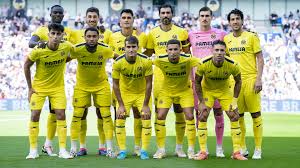
Technical Leadership & Coaching Profile
Manager: Iñigo Pérez
Pérez arrives at the Estadio de la Cerámica tasked with continuing the extraordinary work of his predecessor. Marcelino departed as the manager with the most matches in Villarreal’s history, having delivered consecutive Champions League qualifications and a third-place finish last season. Pérez made his name at Rayo Vallecano, where he guided the franjirrojos to eighth place and a historic Conference League final. The 38-year-old favours an associative style that accelerates once past midfield, with high pressure and brave attacking intent.
Tactical Philosophy
Pérez has largely preserved the 4-4-2 structure inherited from Marcelino, though there is an expectation he may eventually transition to the 4-2-3-1 he deployed at Rayo. The early-season evidence points to a team built on possession and patient build-up, with a clear intention to play out from the back before attacking with speed through the wide areas. The wingers and full-backs are the primary conductors of play, tasked with advancing the ball and flooding the box. Villarreal average 61.3% possession this season, the second-highest in La Liga, but the efficiency in the final third remains a work in progress.
Preferred Formations
4-4-2 / 4-2-3-1 in possession.
Strategic Transfer Activity
Villarreal’s summer window was defined by necessity as much as ambition. The departures of Dani Parejo, Thomas Partey, and Alfonso Pedraza left significant voids in midfield and defence, while the loan exits of Diego Conde and Arnau Tenas reshaped the goalkeeping hierarchy. The first arrival was veteran Hungarian goalkeeper Péter Gulácsi from RB Leipzig for approximately €1 million, followed by the permanent signing of Canadian midfielder Nathan Saliba from Anderlecht on a contract through 2031.
Table A: Summer Major Transfer Influx
| Player | Position | Former Club | Fee Paid |
|---|---|---|---|
| Péter Gulácsi | Goalkeeper | RB Leipzig | €1m |
| Nathan Saliba | Central Midfielder | Anderlecht | Undisclosed |
| Carlos Romero | Left-Back | Return from loan | N/A |
| Alassane Diatta | Midfielder | Villarreal B | Academy promotion |
| Rubén Gómez | Goalkeeper | Villarreal B | Academy promotion |
The First-Team Roster
Goalkeepers
Luiz Júnior (#1): The Brazilian remains Villarreal’s first-choice goalkeeper despite the arrival of Gulácsi, having started the opening matches of the campaign. His shot-stopping and distribution were central to last season’s Champions League qualification, though the competition for the No. 1 shirt remains one of La Liga’s hottest battles.
Péter Gulácsi (#25): The 36-year-old Hungarian arrived from RB Leipzig for a modest fee, bringing a wealth of experience including 41 Champions League appearances across 11 seasons in Germany. He is expected to compete with Luiz Júnior for the starting role, with his leadership and big-game pedigree offering a reliable alternative.
Rubén Gómez (#13): The academy graduate has been rewarded with a first-team squad number after impressing in the Villarreal B setup, serving as the third-choice goalkeeper.
Defenders
Juan Foyth (#8): The Argentine centre-back captains the side and remains the bedrock of Villarreal’s defensive structure. His composure, ball-playing ability, and recovery pace make him indispensable, though the defensive record this season — eight goals conceded in four matches — suggests the unit is still adjusting to Pérez’s demands.
Renato Veiga (#12): The Portuguese defender has established himself as Foyth’s partner in central defence, offering physicality and aerial presence. His versatility across centre-back and left-back provides Pérez with tactical flexibility.
Logan Costa (#2): The Cape Verde international provides additional depth in central defence, his athleticism and reading of the game offering a reliable rotation option.
Santiago Mouriño (#15): The Uruguayan operates at right-back and has started the campaign in the role, though his natural position is centre-back. His duel-winning statistics and aerial strength make him a valuable asset in both boxes.
Alex Freeman (#3): The young American defender offers additional cover on the right side of defence, gaining valuable first-team experience.
Pau Navarro (#6): The academy graduate provides depth across the backline, his development continuing within Pérez’s squad.
Carlos Romero (#20): The Spanish left-back returned from his loan spell and has claimed the starting role on the left flank. His attacking thrust and crossing ability were evident in his six goals during his previous loan, and Pérez views him as the long-term solution at left-back.
Willy Kambwala (#5): The Franco-Congolese defender remained at the club despite loan interest from Osasuna, with the player expressing a desire to compete for minutes. He subsequently departed on loan to Como, leaving Villarreal with four senior centre-backs.
Midfielders
Santi Comesaña (#14): The Spanish midfielder is one of the first names on Pérez’s team sheet, his defensive screening and late runs into the box providing a dual threat in the double pivot. His goal against Atlético Madrid demonstrated his attacking value.
Pape Gueye (#?): The Senegalese midfielder scored in the opening match of the season, his physical presence and shooting from distance adding a different dimension to Villarreal’s engine room. However, he faces stiff competition from the emerging academy talents.
Alassane Diatta (#4): The Senegal-born midfielder has been promoted from Villarreal B and given a first-team squad number. Pérez has shown considerable faith in the young midfielder, who has earned minutes in the opening fixtures alongside Comesaña.
Carlos Maciá (#26): The Alicante-born midfielder retains a reserve-team registration to preserve a first-team squad slot, but his dynamics are entirely with the senior squad. He has started the season in midfield and represents the academy’s continued productivity.
Nathan Saliba (#?): The Canadian international arrived from Anderlecht on a contract through 2031, having scored three goals in 34 Belgian Pro League appearances last season. The 22-year-old represented Canada at the 2026 World Cup and scored a free kick against Qatar. His energy and technical quality offer additional depth in central areas.
Forwards
Alberto Moleiro (#10): The Tenerife-born playmaker has inherited the iconic No. 10 shirt vacated by Dani Parejo, a symbolic elevation of his status within the squad. Moleiro recorded 10 goals and five assists in 45 appearances last season, and his dribbling, final pass, and shooting make him the creative hub of Pérez’s attack. He operates primarily from the left but is comfortable drifting inside to influence play.
Nicolas Pépé (#?): The Ivorian winger has been Villarreal’s most potent attacking threat this season, scoring twice in the opening four matches. His explosive pace and direct running make him devastating in transition, and he thrived in a free role behind the striker during pre-season. Pérez views him as a key figure in the attacking structure.
Gerard Moreno (#7): The club legend and captain in Foyth’s absence remains a reference point in attack. Now in his twelfth season at Villarreal, Moreno’s movement and finishing instincts remain elite, and his ability to drop deep to connect play makes him a natural fit for the No. 10 role in a 4-2-3-1 if Pérez makes the switch.
Georges Mikautadze (#?): The Georgian striker has settled into the central attacking role, scoring once this season. His movement and link-up play have impressed, and he appeared from the bench to seal the 3-1 victory over Levante. At 25, he represents the long-term future of Villarreal’s attack.
Ayoze Pérez (#?): The Spanish forward has been linked with a move away but remains at the club, offering a goalscoring alternative in the attacking line. His intelligence in the box and ability to find space make him a valuable option from the bench.
Ilias Akhomach (#?): The Moroccan winger returned to Villarreal and provides width and directness on the right flank. His familiarity with Pérez from their time together at Rayo is an asset.
Tajon Buchanan (#?): The Canadian winger offers pace and versatility across both flanks, though he appears to have lost his starting place to Pépé. His direct running remains a useful weapon from the bench.
Thiago Fernández (#?): The Argentine forward returned from his loan spell and provides additional attacking depth, though he subsequently joined Levante on loan for regular minutes.
Tani Oluwaseyi (#?): The Canadian striker provides physical presence and aerial threat in the box, often introduced from the bench to offer a different profile in the attacking line.
Leadership Group & Squad Regulations
Club Captain: Juan Foyth
The Argentine centre-back wears the armband in the absence of the departed Dani Parejo, his composure and defensive leadership anchoring a backline in transition. Gerard Moreno has also captained the side in Foyth’s absence, providing experienced guidance for the younger squad members.
The Leadership Committee
Gerard Moreno and Santi Comesaña serve as the senior voices bridging Pérez’s coaching staff and the emerging academy core. Moreno’s experience of Villarreal’s greatest triumphs — including the 2021 Europa League — offers a reference point for the club’s expectations.
Homegrown Quota Check
With Carlos Maciá, Rubén Gómez, Alassane Diatta, and Pau Navarro all promoted from the academy, Villarreal maintains a strong commitment to their youth pipeline. The club’s B team continues to provide first-team solutions, with Maciá and Diatta already earning significant minutes in the opening fixtures.
Financial & Contractual Health
Financial Balance Overview
Villarreal’s summer business was conducted with financial prudence, the €1m fee for Gulácsi representing the only significant outlay on a transfer fee. The club raised funds through the loan exits of Diego Conde and Arnau Tenas, and retained sell-on clauses for players including Haissem Hassan, whose potential move to Celtic could generate between €3.2m and €4m for the club. Two first-team squad slots were deliberately left vacant, providing flexibility for potential late additions or opportunities to promote from within.
Contract Red Alerts
Nathan Saliba’s long-term contract through 2031 represents a significant commitment to the young Canadian. Managing the futures of key performers like Alberto Moleiro, whose elevation to the No. 10 shirt signals his growing importance, will be a priority as the season progresses.
The Academy Pipeline & Loan Tracker
Breakout Talents to Watch
Carlos Maciá has started the season in midfield despite retaining a reserve-team registration, his performances earning Pérez’s trust. Alassane Diatta has also been handed a first-team squad number and significant minutes, underlining Villarreal’s commitment to internal development.
Notable Out on Loan
Willy Kambwala joined Como on loan after deciding against a move to Osasuna, seeking regular minutes to aid his development. Hugo López is at Andorra in the Segunda División, while Thiago Fernández and Dani Requena have joined Levante on loan.
Set-Piece Specialists & FPL Cheat Sheet
Penalties: Gerard Moreno (First Choice) / Georges Mikautadze (Second Choice).
Direct Free-Kicks: Alberto Moleiro / Nicolas Pépé.
Corners & Crosses: Alberto Moleiro / Carlos Romero.
Final Outlook: Navigating the Tactical Horizon
Villarreal enters 2026/27 in a period of transition that the early-season table does little to illuminate. The Yellow Submarine sit 17th in La Liga after four matches, with two draws and two defeats, and a defensive record of eight goals conceded that belies the quality within the squad. Yet the underlying performances offer cause for optimism: Villarreal have dominated possession in every match, averaging 61.3% of the ball, and have created 61 shots — the fifth-highest tally in the division. The problem has been efficiency, with just six goals from an expected goals figure of 7.11.
The 3-1 victory over Levante was the first genuine glimpse of Pérez’s vision taking shape. Ayoze Pérez, Alberto Moleiro, and Ilias Akhomach formed the attacking spine that the manager is building around, and Mikautadze’s introduction from the bench sealed the result. The attacking talent is undeniable — Pépé has two goals, Moleiro is a creative force, and Gerard Moreno remains a class act. The challenge is defensive cohesion, with the backline still adjusting to Pérez’s higher pressing line.
The Champions League presents both opportunity and risk. A return to Europe’s elite competition brings prestige and revenue, but the Thursday-Sunday rhythm will test a squad that has lost experienced heads in Parejo, Partey, and Pedraza. Pérez has shown faith in youth, promoting Maciá and Diatta to the first team, and the academy will need to deliver if Villarreal are to sustain a challenge on multiple fronts.
The upcoming fixtures offer a chance to build momentum. Real Betis visit the Estadio de la Cerámica, followed by a trip to Málaga and a home clash with Levante. If Pérez can tighten the defensive structure and find greater efficiency in front of goal, Villarreal possess the quality to climb the table. The Yellow Submarine has never lacked ambition, and with the Champions League anthem returning to the Cerámica, the stage is set for another European adventure.