CLUB SNAPSHOT: At a Glance
| Category | Details |
|---|---|
| Club | Tottenham Hotspur FC |
| League | Premier League |
| Manager | Roberto De Zerbi |
| Stadium | Tottenham Hotspur Stadium |
| Nickname | Spurs |
| Founded | 1882 |
| Key Defensive Signings | Jan Paul van Hecke, Marcos Senesi, Andy Robertson, Tosin Adarabioyo |
| Defensive Leader | Micky van de Ven |
| Emerging Defender | Kota Takai |
The Defining Moment
Tottenham’s defensive rebuild in 2026/27 was not a gradual evolution. It was a radical overhaul, executed in a single summer, designed to reshape the very identity of the team under Roberto De Zerbi.

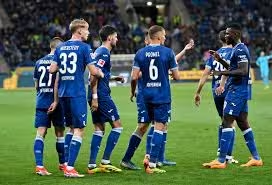
The defining moment came not in a match, but in the composition of a squad list. When Spurs’ 2026/27 numbers were confirmed, the defensive names told a story of transformation: Andy Robertson, the Liverpool veteran, taking the No. 3 shirt; Jan Paul van Hecke, De Zerbi’s trusted lieutenant from Brighton, inheriting the No. 6; Marcos Senesi, the Argentine free transfer from Bournemouth, handed the No. 5. Around them remained Micky van de Ven, Cristian Romero, Kevin Danso, and Radu Dragusin—a core of talent that, on paper, gave De Zerbi an embarrassment of riches.
The reality was messier. Tottenham’s start to the season was catastrophic: three defeats in their opening five league matches, a spell at the bottom of the table, and a defensive structure that looked unrecognisable from the one De Zerbi had envisioned. The arrival of new faces had not brought immediate cohesion. It had brought questions: who partners whom, who plays, and who leaves.
This is the story of Tottenham’s 2026/27 defenders: a squad rebuilt in the image of its manager, tested by early-season chaos, and slowly finding its footing.
Tactical Context
De Zerbi’s defensive philosophy is inseparable from his attacking one. Spurs are asked to build from the back, to invite pressure, and to break lines with precise passing rather than speculative clearances. The defenders are not merely destroyers; they are the first phase of the attack.
This demands specific profiles. Van Hecke was signed because De Zerbi knew him from Brighton and trusted him to execute the system without extensive coaching. Senesi arrived from Bournemouth with a reputation for ball-playing composure, though his early performances betrayed a lack of rhythm. Robertson, now in the twilight of his career, offered experience and leadership on the left, while Tosin Adarabioyo provided a physical, aerial option at centre-back.
The numbers from the early part of the season reflected a defence in transition. Tottenham conceded 10 goals in their first nine league matches, a record that improved as the weeks progressed. Back-to-back clean sheets against Chelsea and Crystal Palace in late October suggested that the structure was beginning to solidify. The return of Tosin from a calf injury provided a timely boost, offering De Zerbi a physical presence he had lacked in the early weeks.
The Centre-Backs
Micky van de Ven
Van de Ven has emerged as the anchor of Tottenham’s defence and the captain in waiting. The Dutchman started seven of the first nine league matches, accumulating 557 minutes, and wore the armband in several fixtures. His recovery pace and composure on the ball make him ideally suited to De Zerbi’s high line, and his partnership with Van Hecke—his international teammate—has been the foundation of Spurs’ defensive improvement.
At 25, Van de Ven is entering his prime. His importance to the team extends beyond his individual qualities; he is the organiser, the player who holds the line and communicates the shape. When he plays, Tottenham look more secure. When he does not, the fragility is exposed.
Jan Paul van Hecke
Van Hecke was De Zerbi’s first-choice defensive signing, a player the manager knew intimately from their time together at Brighton. The Dutch centre-back started all eight of his league appearances, accumulating 720 minutes and scoring one goal—a late consolation in the defeat to Aston Villa.
His partnership with Van de Ven has been the preferred pairing when both are fit. Van Hecke offers a blend of physicality and technical quality, comfortable stepping into midfield and progressing the ball. The concern, as with many of Spurs’ defenders, is durability. An ankle injury sustained on international duty forced him to return to England early for assessment, highlighting the fragility of De Zerbi’s defensive options.
Marcos Senesi
Senesi arrived on a free transfer from Bournemouth with a reputation for composure and ball-playing ability. His integration has been slower than anticipated. He started just two league matches in the early part of the season, accumulating 178 minutes, and his performances were marked by nervousness and a lack of rhythm.
The Argentine’s quality is undeniable—he was a consistent performer at Bournemouth—but adapting to De Zerbi’s demands takes time. With Van Hecke and Van de Ven established as the preferred pairing, Senesi’s opportunities may be limited to cup competitions and injury cover. Whether he can force his way into the starting lineup remains to be seen.
Tosin Adarabioyo
Tosin arrived from Chelsea in the summer as a physical, aerial option at centre-back. His debut against Coventry was impressive, but a calf injury sustained shortly afterwards disrupted his integration. His return to fitness provides De Zerbi with a different profile—a 6ft 6in defender capable of dealing with physical strikers and dominating in the air.
At 29, Tosin is an experienced squad option rather than a long-term solution. But in a season where durability has been an issue, his availability is valuable.
Cristian Romero
Romero’s future at Tottenham remains uncertain. The Argentine, who captained Spurs to Europa League glory in 2025, has been linked with a move away for several seasons. His availability—both through injury and suspension—has been a source of frustration, and the arrivals of Van Hecke, Senesi, and Tosin have pushed him down the pecking order.
Whether Romero stays or departs, his legacy at Spurs is secure. But the 2026/27 season may be his last in north London.
Radu Dragusin
Dragusin’s Tottenham career has been disrupted by an ACL injury that stalled his development. The Romanian international, who reportedly turned down Bayern Munich to join Spurs, has found opportunities hard to come by. With the defensive arrivals and his own fitness concerns, a departure—whether permanent or on loan—seems increasingly likely.
Kota Takai
Takai, a Japanese prospect, was assigned the No. 25 shirt, a number that suggests he could break into the first-team squad. At his age, he is a development project rather than an immediate starter, but his presence reflects Spurs’ investment in young defensive talent.
The Full-Backs
Andy Robertson
Robertson’s arrival from Liverpool brought experience, leadership, and a winning mentality to Tottenham’s defence. The Scottish international, now in the twilight of his career, was handed the No. 3 shirt and has been a reliable presence on the left flank.
His defensive discipline and his delivery from wide areas remain assets, even if his athleticism has declined. At 32, he is not the long-term solution at left-back, but he is a valuable short-term one.
Pedro Porro
Porro remains Tottenham’s first-choice right-back, though his season has been interrupted by minor injuries and rotation. He made four league appearances in the early part of the campaign, accumulating 224 minutes. His attacking output—his crossing, his willingness to overlap—is his strongest attribute, but his defensive positioning has been questioned.
At 27, Porro is in his prime. The challenge for De Zerbi is finding the balance between his attacking instincts and the defensive solidity the team requires.
Destiny Udogie
Udogie has been in and out of the side, making four league appearances and accumulating 161 minutes. The Italian left-back offers pace and directness, but injuries and competition from Robertson have limited his opportunities.
At 23, Udogie has time to develop. Whether he can establish himself as a regular starter remains to be seen.
Djed Spence
Spence provides cover on both flanks, though his minutes have been limited. At 24, he is a squad option rather than a first-team regular.
Ben Davies
Davies remains at the club as an experienced squad player. At 33, he is no longer a regular starter, but his versatility—capable of playing at centre-back or left-back—makes him a useful option in a long season.
The Numbers Game
TABLE A: Tottenham Hotspur Defender Premier League Statistics (2026/27)
| Player | Apps (Starts) | Minutes | Goals | Assists |
|---|---|---|---|---|
| Jan Paul van Hecke | 8 (8) | 720 | 1 | 0 |
| Micky van de Ven | 7 (6) | 557 | 0 | 0 |
| Andy Robertson | 7 (6) | 499 | 0 | 0 |
| Pedro Porro | 4 (3) | 224 | 0 | 0 |
| Marcos Senesi | 2 (2) | 178 | 0 | 0 |
| Destiny Udogie | 4 (2) | 161 | 0 | 0 |
| Tosin Adarabioyo | — | — | 0 | 0 |
TABLE B: Tottenham Hotspur Defensive Record (Premier League 2026/27)
| Metric | Value | Context |
|---|---|---|
| Goals Conceded | 10 | After 9 matches |
| Clean Sheets | 3 | vs Nottingham Forest, Everton, Chelsea, Crystal Palace |
| Goals Conceded per Game | 1.11 | — |
| Record | 3W-3D-3L | 8th in the league |
TABLE C: Defender Career Context & Pedigree
| Player | Nationality | Previous Clubs | Style Profile |
|---|---|---|---|
| Jan Paul van Hecke | Netherlands | Brighton, Heerenveen | Ball-playing, composed, De Zerbi disciple |
| Micky van de Ven | Netherlands | Wolfsburg | Recovery pace, high-line defender, leader |
| Marcos Senesi | Argentina | Bournemouth, Feyenoord | Left-footed, progressive, ball-playing |
| Tosin Adarabioyo | England | Chelsea, Fulham | Physical, aerial, squad option |
| Andy Robertson | Scotland | Liverpool, Hull City | Experienced, delivery, leadership |
| Pedro Porro | Spain | Sporting CP, Man City | Attacking, crossing, offensive full-back |
| Destiny Udogie | Italy | Udinese | Pace, directness, developing full-back |
Tactical Identity & Squad Balance
Tottenham’s defensive unit is a squad in flux. The summer arrivals—Van Hecke, Senesi, Robertson, Tosin—were designed to give De Zerbi the tools to implement his system. The early results were turbulent, but the improvement was tangible: back-to-back clean sheets against Chelsea and Crystal Palace in late October suggested that the structure was beginning to hold.
The foundation is the Van de Ven–Van Hecke partnership. Both are Dutch, both are comfortable in possession, and both understand De Zerbi’s demands. When they play together, Spurs look more secure. The concern is depth: Senesi has struggled to adapt, Tosin has been injured, and Romero’s future is uncertain.
The full-backs are more functional than flamboyant. Robertson provides experience and reliability on the left; Porro offers attacking thrust on the right. The balance between the two is still being calibrated.
The key question for De Zerbi is how to manage the squad. With no European football this season, minutes are limited, and keeping everyone content is a challenge. The January window may offer an opportunity to trim the squad—Romero and Dragusin have been linked with exits—and reinvest in areas of greater need.
The Verdict from the Camp
BBC Analysis on Tottenham’s defensive options:
“The arrivals of Van Hecke and Senesi will leave Roberto de Zerbi with a wealth of central defensive options. But with no European football next term, how many of Tottenham’s centre-halves will still be in north London at the start of the 2026-27 campaign?”
GiveMeSport on Van Hecke’s importance:
“Jan Paul van Hecke was an important signing for De Zerbi – a player that he knew well from his Brighton days and that he knew could play his brand of football without much coaching.”
Goal.com on Tosin’s return:
“His return brings a welcome stability to the defence, after his absence in recent matches against Crystal Palace and his former club. The defender’s physical presence will be valuable as Tottenham look to continue their climb up the Premier League table.”
Where Next?
Tottenham’s defensive priority is consolidation. The early-season turbulence has subsided, but the unit is not yet settled. Van de Ven and Van Hecke are the preferred pairing, but both have injury concerns. Senesi needs time to adapt. Tosin provides physical cover. Robertson and Porro are reliable, if not spectacular.
The January window may force decisions. Romero and Dragusin could depart, freeing up wages and squad space. Whether Spurs reinvest in defence or look to strengthen other areas remains to be seen. For now, De Zerbi must work with what he has: a defence rebuilt in his image, still learning to function as a unit, and showing signs—tentative but real—of becoming the foundation he envisioned.